
Content Studio
One sentence in. A publishable post out.
Content Studio (内容工作室) is MateClaw's first flagship scene — not a single tool, but an orchestrated pipeline that turns "write me something about X" into a finished, on-platform artifact: a WeChat Official Account (公众号) image-text article sitting in your draft box, or a Xiaohongshu (小红书 / RED) note packaged as ready-to-post vertical cards.
It's built entirely from MateClaw's own primitives — web search, page fetch, image generation, HTML-to-image rendering, structured memory, cron, and the skill runtime — stitched into a repeatable SOP. Everything below ships in v1.8.0+.
The seeded employee
Content Studio ships as a pre-seeded digital employee named Content Studio / 内容工作室. It comes bound to the right skills and tools, with a system prompt that fixes the seven-stage workflow and the "confirm before the outward, irreversible step" discipline. You don't assemble it — you talk to it:
"Write a 公众号 article about local LLM deployment, referencing these two:
<url1><url2>""Give me a 小红书 note about a weekend coffee-shop crawl."
From the second post on, it already knows your voice — persona, style, topic direction, banned words — because those live in structured memory, not in your prompt.
The pipeline
① Topic → ② Research → ③ Draft → ④ Illustrate → ⑤ De-AI → ⑥ Layout → ⑦ Deliver| Stage | What happens | Powered by |
|---|---|---|
| ① Topic | Reads your long-term interests from memory + fresh web search; or comes from a daily "topic radar" cron | recall_structured, web_search, cron |
| ② Research | Fetches reference articles, summarizes the angles so you differentiate rather than rehash | wechat_article_extract, browser_use |
| ③ Draft | Writes to platform-native structure, honoring your persona & style memory | LLM + memory |
| ④ Illustrate | Generates a cover and section images | image_generate |
| ⑤ De-AI | Runs a measurable detect → rewrite → re-check loop (see below) | deai_humanize skill |
| ⑥ Layout | Produces the platform artifact (inline-style HTML / vertical cards) | render_html_image, HTML templates |
| ⑦ Deliver | Stops at the outward, irreversible step for your confirmation | gzh_publish (draft) / xhs_package |
Templates are conversational. Because layout is just HTML, the employee can create and refine templates by chatting — render a preview, look at the PNG, refine — and persist reusable custom templates into your own editable skill. Built-in skills stay immutable; your customizations live in a custom skill (see Skills).
Two platforms, first-class
WeChat Official Account (公众号) — gzh_article
- Inline-styled HTML. The WeChat editor ignores
<style>blocks, so every style is inline. Starter templates ship (gzh_layout_minimal,gzh_layout_business), and the AI can author its own. - Platform-native structure — a hook intro, 3–5 titled sections with concrete cases/data, a punchline, and a closing call-to-action.
- Cover sized for the header (≈ 2.35:1), plus section images.
- Compliance self-check against your banned words and platform sensitive terms.
- Deliver to paste manually, or push straight to your draft box via
gzh_publish.
Read
references/gzh_platform_rules.mdinside the skill for the real platform rules — cover sizing, title/summary limits, editor layout, induced-share/follow red lines, mass-send frequency, and the originality mechanism.
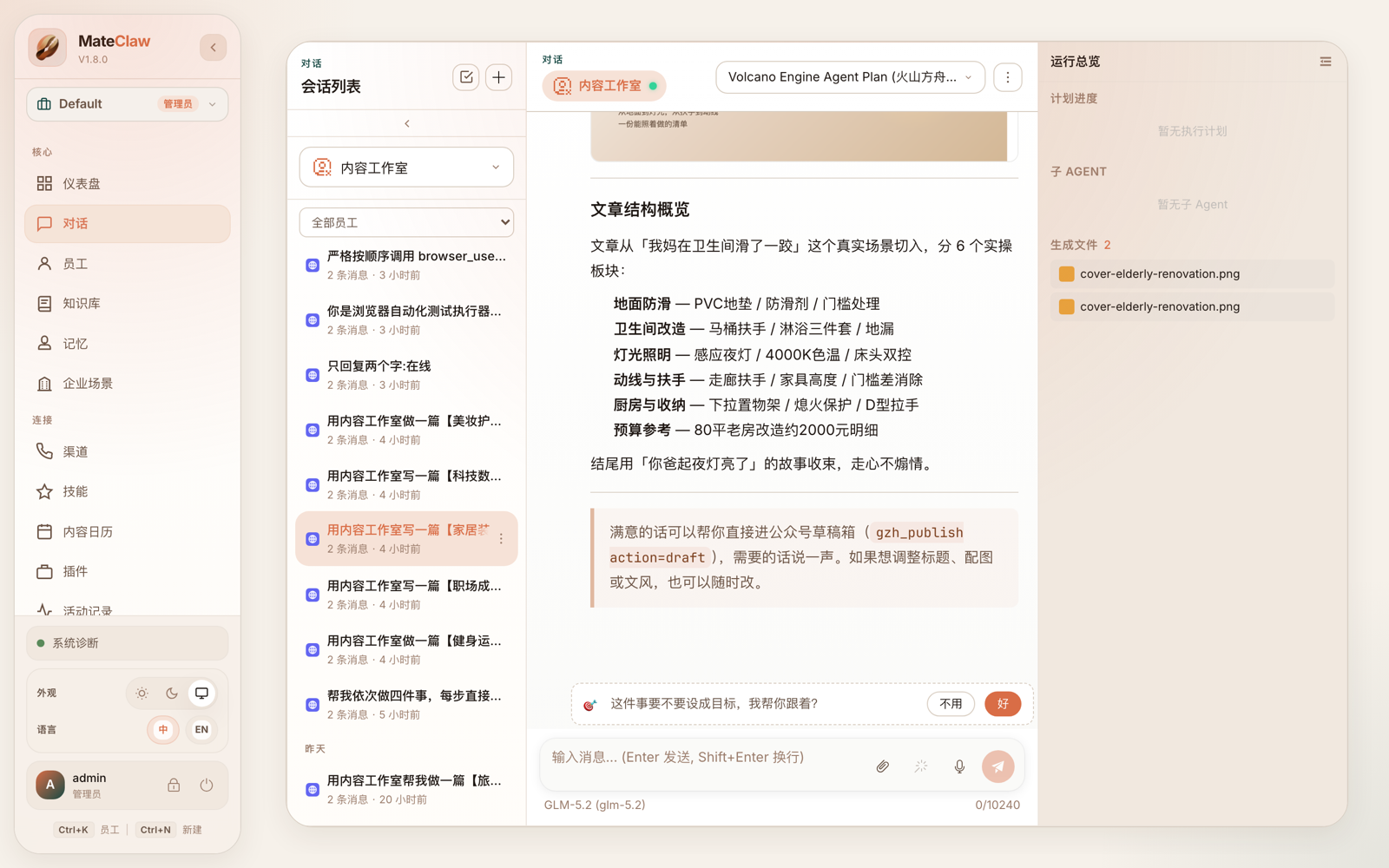
Content Studio producing a 公众号 article in the console — the article structure, a generated cover, and a one-tap offer to push it straight into your draft box (`gzh_publish action=draft`). The Run Overview rail (right) lists the generated files.
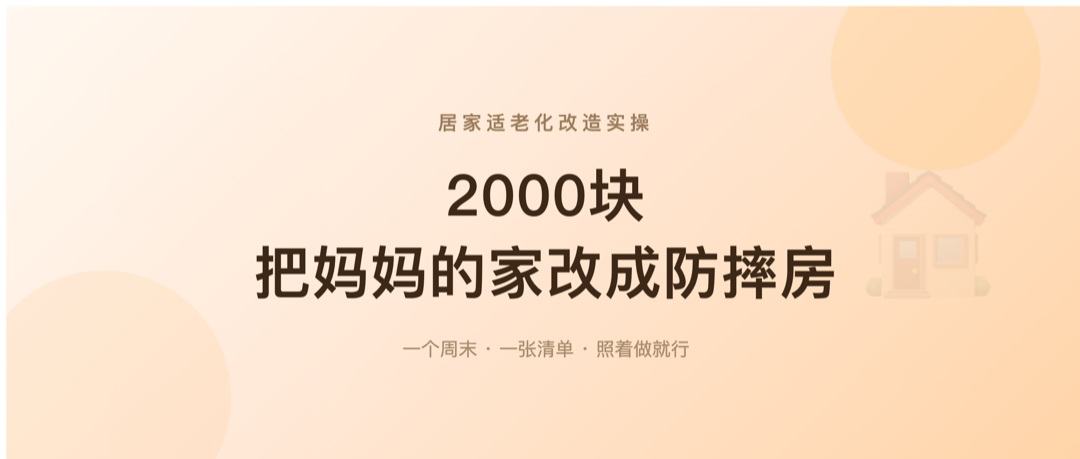
The header cover it produced for that article — a real output artifact.
Xiaohongshu (小红书 / RED) — xhs_note
Xiaohongshu is an image-first platform — readers swipe images first, text second.
- At least 3 vertical 3:4 cards (cover + content + closing), rendered from HTML templates:
xhs_card_cover,xhs_card_content,xhs_card_end, plus a quote cardxhs_card_quote.xhs_packagehard-validates the ≥3-image rule and refuses to package fewer. - The four-part title (number / suspense / emotion / contrast, ≤ 20 chars) + short-sentence body with emoji breaks + 3–8 topic tags (broad + mid + long-tail).
- Online preview — the rendered card PNGs are the preview; look, then finalize.
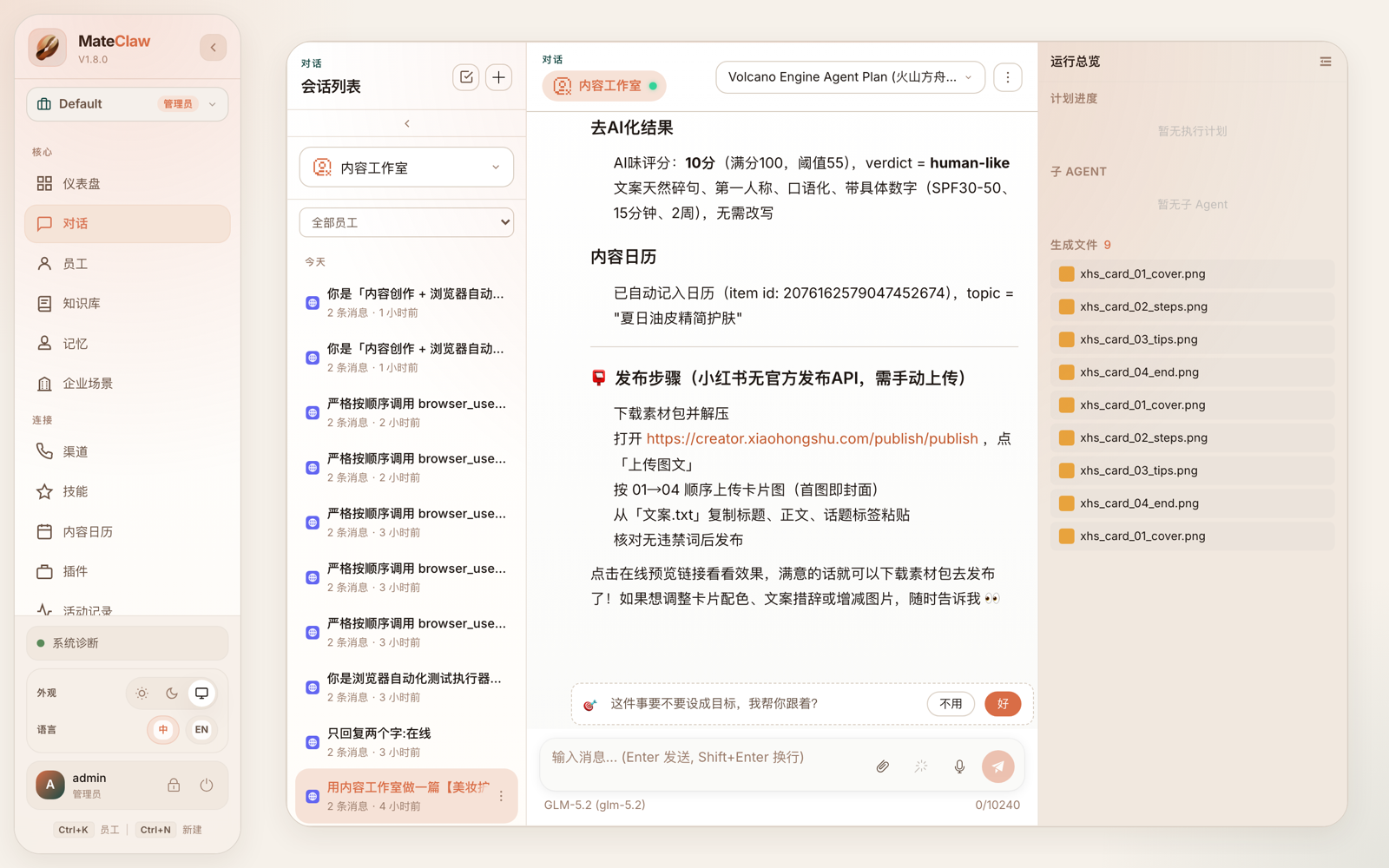
Content Studio producing a 小红书 note — the measurable de-AI score (10/100 → human-like), the auto-recorded content-calendar item, and the manual-upload publish steps. The Run Overview rail (right) lists the generated vertical cards.

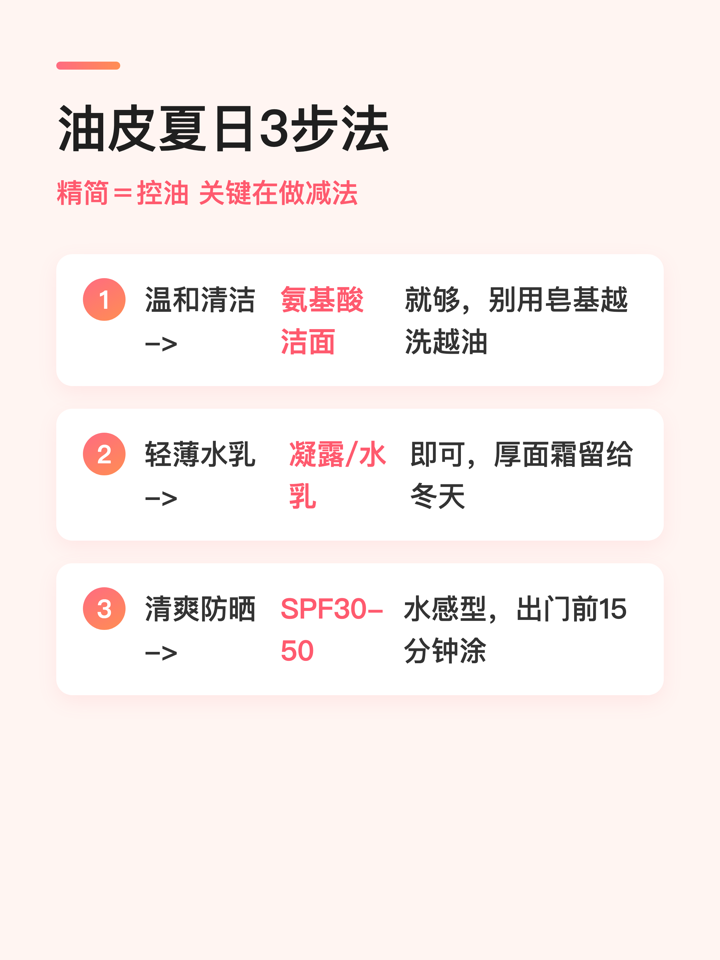
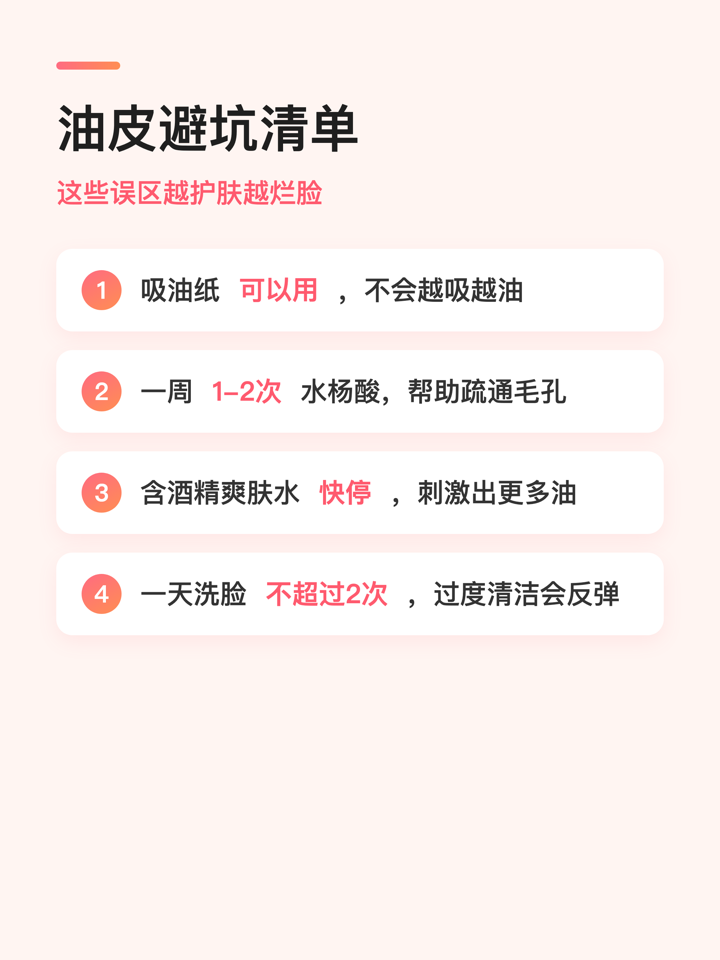
The vertical 3:4 cards it produced — cover (four-part title) + content cards with structured points rendered as image.
De-AI-ification, measured
The differentiator of the whole scene is that "de-AI" (deai_humanize) isn't a vibe — it's a measurable loop.
A heuristic script (ai_trace_score, pure Python, no LLM, deterministic and regressible) scores text 0–100 and returns the specific signals and spans:
| Signal | What it catches |
|---|---|
| Burstiness | Sentence-length variance too low → uniform = machine |
| Connector density | Template cadence ("首先/其次/然后/综上所述/值得注意的是…") |
| Filler phrases | Boilerplate ("在…的今天/让我们/随着…的发展/赋能…") |
| List / dash abuse | Over-structured, generated-looking layout |
| Paragraph evenness | Mechanically equal paragraph lengths |
| Concreteness gap | Too few numbers, names, first-person, time/place = vague |
The employee rewrites against the signals — colloquial, first-person, concrete detail, varied sentence length, filler cut, tone tuned per platform (公众号 measured, 小红书 lively) — and re-scores, looping until it clears the bar or hits max_rounds = 3 (then it keeps the best version and reports the score).
De-AI-ification is a heuristic quality boost, not a guarantee of bypassing any AI detector. The skill and the output both say so.
The publish chain, hardened
Getting a draft out once is easy; running it every day for three months is where the real problems live. The v1.8.0 publish chain closes them:
- Body images don't break. WeChat doesn't fetch external images in article bodies, so the chain parses the HTML, uploads each body image into WeChat, and rewrites its
src. A failed upload keeps its originalsrcand is reported, rather than blocking the whole article. - Secrets encrypted at rest.
weixinoa.app_secretand other sensitive settings are AES-GCM encrypted (key fromMATECLAW_SETTING_KEY, machine-derived fallback), ciphertext carries anenc:v1:prefix, and legacy plaintext is read transparently and upgraded on next write. - One service, one token. The WeChat service instance is cached per appId with a persisted access token, so repeated calls and multi-instance deployments don't collide with WeChat's single-token-per-appId limit. Changing the secret invalidates the cache.
- Retry + plain-language errors. Transient WeChat error codes retry with backoff; known codes translate into actionable hints — e.g. "add the server's public IP to the Official Account whitelist."
- A draft always has a cover. If the cover can't be resolved, a built-in placeholder cover is rendered so the draft still lands, and the response says a placeholder was used.
Draft-box-first. Mass-send and publish are outward, irreversible, and rate-limited, so MateClaw drafts and you press "publish" in the Official Account backstage. The optional publish action is gated through the approval flow.
Content Calendar — deliver = scan + record
The weak spot in any "the model should also log this" design is that the model forgets. Compliance and bookkeeping are welded into the delivery tools themselves:
- Deliver = scan + record.
gzh_packageandxhs_packagerun a server-side compliance scan (extreme-claim / inducement / guaranteed-return terms) and auto-record the item to the calendar on successful delivery — no separate call to skip. High-risk hits surface in the response; a high-risk publish is blocked by default. - Topic-fingerprint dedup. Each item carries a normalized topic fingerprint;
content_item check_recentlooks back overpackaged/publisheditems (ignoringdraft/failed, excluding the just-recorded item) so the daily cron doesn't re-pick a subject you already covered. - Personal banned words merge in. The scanner takes your structured-memory
banned_wordsas an extra category alongside the built-in lexicon. - A read-only Content Calendar page. Lists every item — platform, title, status, topic, preview link, created/published time — with status-count cards up top.
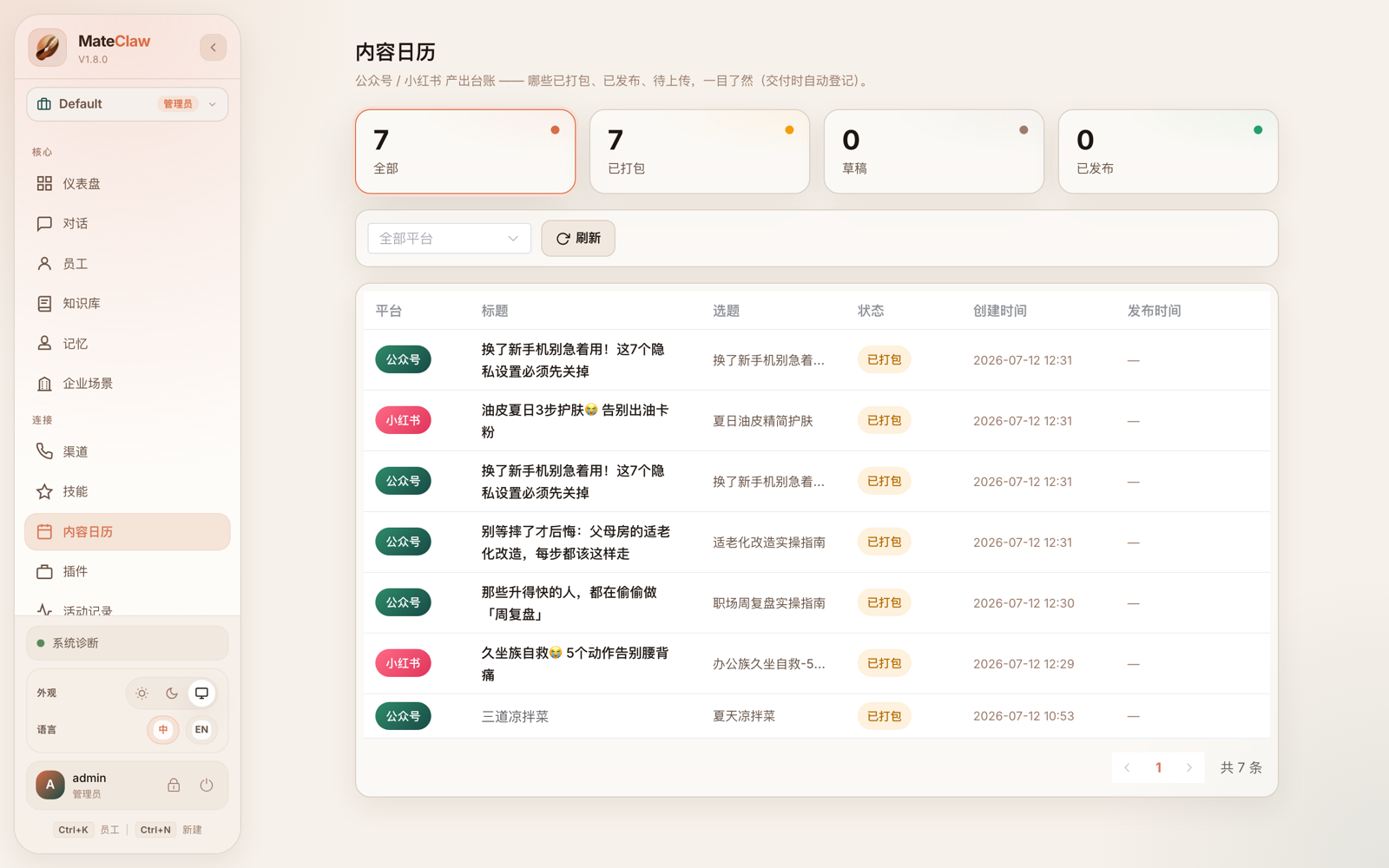
The read-only Content Calendar — every 公众号 / 小红书 delivery auto-recorded with platform, title, status, topic, and time.
Tools reference
| Tool | What it does |
|---|---|
wechat_article_extract | Cleans a mp.weixin.qq.com article into {title, author, time, body, images} (SSRF-limited to that host) |
gzh_package | Packages a 公众号 article (inline HTML + cover); runs compliance scan + records to the calendar |
gzh_publish | Pushes the article to the WeChat draft box (draft); optional publish is approval-gated |
xhs_package | Packages a 小红书 note; hard-validates ≥3 vertical cards; scans + records |
xhs_publish | Best-effort browser-assisted upload (approval-gated) — see limitations below |
content_item | Content calendar: check_recent (dedup), record, mark_published |
compliance_scan | Server-side lexicon scan; optional extraBannedWords merges your personal terms |
Plus the skills: gzh_article, xhs_note, deai_humanize. See Skills and Tools.
Setup
To publish to WeChat Official Account:
- Configure the Official Account
app_id/app_secretin Settings (stored AES-GCM encrypted). - Set
MATECLAW_SETTING_KEYto a stable secret and back it up — it decrypts existing ciphertext; losing it means re-entering secrets. - Add the server's public IP to the Official Account backstage whitelist. The publish chain will tell you if it's missing.
Xiaohongshu needs no API key — Content Studio produces a downloadable card package by default.
Limitations & non-goals
- No mass-send / one-click push to all followers. Rate-limited and outward-irreversible; MateClaw drafts, you publish from the backstage.
- No official Xiaohongshu publish API. None exists. Content Studio produces a ready-to-post card package (default); browser-assisted upload is optional, approval-gated, and does not bypass any risk control or human verification.
- De-AI-ification is heuristic, not an adversarial guarantee against detectors.
- No content laundering. Reference fetching is for understanding existing angles and differentiating — output must be original and cite its references. Compliance responsibility rests with you.
What to read next
- Skills — the SKILL.md protocol behind
gzh_article/xhs_note/deai_humanize - Tools — the built-in tool registry
- Channels — the WeChat Official Account transport
- Security & Approval — the approval gate on outward publish actions